
Bike leasing and the mobility budget: a practical guide for HR

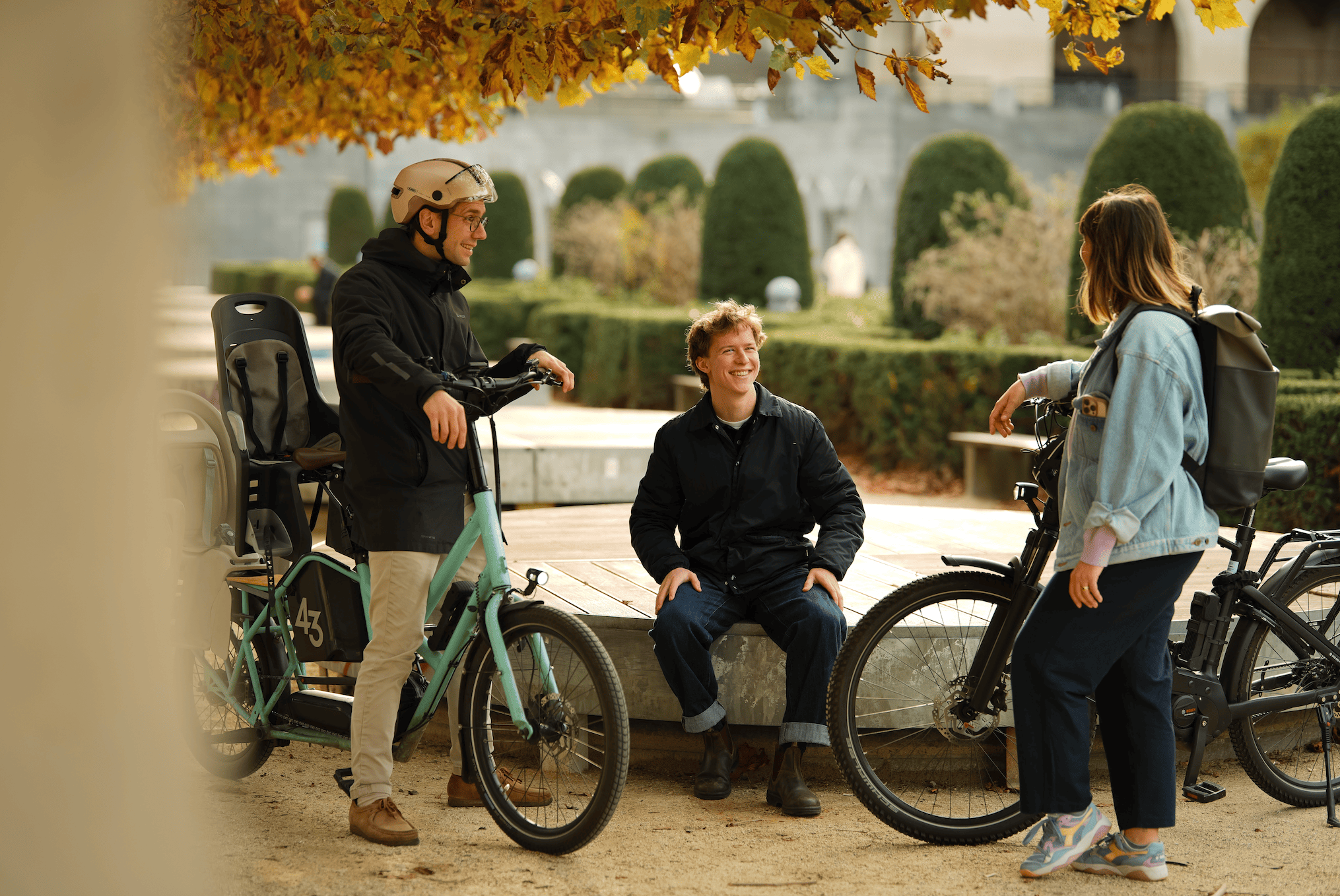

One employee wants an e-bike. Another wants to cycle to the station and take the train from there. Someone else would prefer a smaller company car, leaving enough budget for a bike.
Belgium’s mobility budget makes these combinations possible. Under pillar 2, employees can buy, rent or lease a bike, provided you offer that option and the expense meets the legal requirements.
For HR, it starts with three decisions: which options to offer, which rules to put in place and how to manage the process.
Why cycling deserves a place in your mobility policy
A bike doesn’t have to replace the company car entirely. For many employees, combining transport options is what works best: cycling on sunny days, taking the train to Brussels and using a car for longer journeys.
Mbrella’s figures reflect this. From January to early October 2026, employees spent €1.6 million on bikes and bike leasing. Excluding rent and mortgage payments, cycling accounted for 29% of spending under pillar 2.
A clear cycling policy helps employees make the most of these options. It also saves HR from having to assess every request from scratch.
What can the mobility budget cover?
Under pillar 2, employees can buy, rent or lease a city bike, e-bike, cargo bike or speed pedelec with a maximum speed of 45 km/h. Maintenance, bike parking and certain items of protective or visibility equipment, such as a helmet or lights, may also qualify.
Not every accessory is eligible. A bike GPS, for example, is excluded. As an employer, you decide which legally eligible expenses to offer. Make those choices clear in your mobility policy.
Leasing or buying? Look beyond the price tag
Bike leasing through the employer
You sign the lease agreement and make the bike available to the employee. The costs are paid from their mobility budget, so they don’t have to pay for the bike upfront.
Joule’s bike leasing packages include damage and theft insurance, roadside assistance and a service budget for maintenance and repairs as standard. Check the terms, including the required bike lock and any costs the employee may need to cover.
This option suits employees who want their bike and related services taken care of in one package.
Buying a bike
The employee buys the bike and claims reimbursement through their mobility budget. They own it straight away, with no lease agreement or fixed term.
They will generally need to pay upfront. Insurance and roadside assistance are their responsibility. Maintenance can be submitted as a separate expense if you offer that option.
Private leasing
The employee signs a lease agreement themselves and uses their mobility budget to cover eligible costs. Joule’s private leasing packages also include insurance, roadside assistance and a service budget.
If they change jobs, the agreement stays with them. This offers flexibility, but also comes with responsibility: if their new employer doesn’t offer a mobility budget, they will have to cover the remaining costs themselves.
Not sure which options to offer? Discuss your bike plan with Joule.
What’s the financial benefit?
An employee has €2,000 available in their mobility budget. If they use it for an eligible bike purchase under pillar 2, the full amount can go towards the bike.
If they receive the same amount as a cash payment under pillar 3, they are left with €1,238.60 after the 38.07% special employee contribution.
When comparing buying and leasing, look at the total cost. The purchase price alone tells you little about what insurance, maintenance and assistance will cost later.
A good cycling policy answers the tricky questions too
Which bikes can employees choose? What happens if a bike is stolen? And who pays if someone leaves halfway through the lease?
At a minimum, set out:
- who can participate and which options are available;
- which bikes, budgets and lease terms are allowed;
- the rules on commuting use and cycling allowances;
- the applicable insurance conditions;
- the options available when an employee leaves.
A bike lease often runs for 36 months, while the mobility budget is allocated annually. Make sure you also agree on what happens if the budget falls short.
Depending on the agreement, an employee leaving the company may be able to buy the bike, end the lease early or transfer it. Subject to certain conditions, Joule offers a free transfer to a new employer, provided that employer agrees.
Set clear expectations from the start. Let Joule help you develop your cycling policy.
What about an existing bike lease through salary sacrifice?
An existing tax-exempt company bike can remain outside the mobility budget under certain conditions. The employee must have combined that benefit with a company car, or entitlement to one, for at least three months immediately before applying for the mobility budget.
When making the switch, check which benefits were already in place and when they started.
Make choosing and managing easy
With Mbrella’s mobility budget management platform, you turn your mobility policy into a clear set of eligible expenses. Employees submit supporting documents and keep track of their balance. Recurring lease costs can be processed automatically, with reimbursements handled through an export or integration with your payroll provider.
Help employees choose with a personalised cost comparison and a bike test day. Discuss the options before they order their next company car.
Ready to introduce the mobility budget or make it easier to manage? Book a demo with Mbrella.